
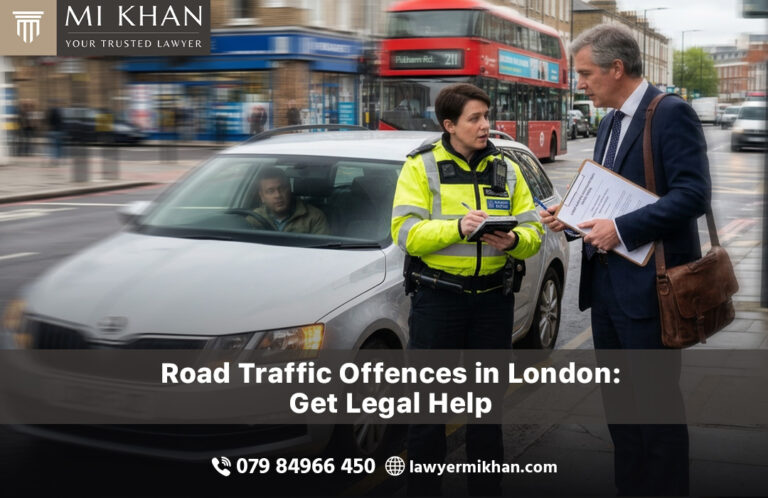
Road Traffic Offences in London: Get Legal Help
Being stopped by the police or receiving a Notice of Intended Prosecution for a road traffic offence in London can be stressful and confusing. From speeding and careless driving to more serious allegations such as drink-driving or driving without insurance, the consequences can include fines, penalty points, disqualification, increased insurance premiums, and in some cases a criminal record.
If you are facing a road traffic offence in London, obtaining timely legal advice from a solicitor experienced in motoring law can make a real difference to the outcome. This guide explains the most common offences, the potential penalties, the court process, and how specialist legal help can protect your driving licence and livelihood.
Common Road Traffic Offences in London
London’s busy roads, extensive speed cameras, and high police presence mean that drivers frequently face allegations under the Road Traffic Act 1988 and related legislation. Frequent offences include:
- Speeding (including average-speed camera and 20 mph zone offences)
- Careless or inconsiderate driving
- Dangerous driving
- Drink-driving or drug-driving
- Driving without insurance or while uninsured
- Driving without a valid licence or while disqualified
- Using a mobile phone while driving
- Failing to stop after an accident or failing to report an accident
- Red-light running and other traffic-light offences
- Construction and use offences (defective tyres, lights, etc.)
Many of these start with a Fixed Penalty Notice, a conditional offer, or a summons to the magistrates’ court. More serious cases can be sent to the Crown Court.
Potential Penalties and Consequences
Penalties vary according to the seriousness of the offence, your previous record, and any aggravating or mitigating factors. Possible outcomes include:
- Fixed penalties and penalty points (endorsements)
- Court fines
- Driving disqualification (totting-up or discretionary)
- Community orders or, in serious cases, imprisonment
- Victim surcharge and prosecution costs
- Significant increases in motor insurance premiums
- Impact on employment if you drive for work
Drivers who already have points on their licence are at particular risk of a totting-up disqualification under the New Drivers Act or the 12-point rule.
The Legal Process for Road Traffic Cases in London
Most cases begin in the magistrates’ court. The typical stages are:
- Receipt of a Notice of Intended Prosecution, Fixed Penalty Notice, or court summons
- Decision whether to accept the penalty or contest the allegation
- Entering a plea (guilty or not guilty)
- If not guilty – preparation of the defence, evidence gathering, and trial
- If guilty – mitigation and sentencing
Strict time limits often apply, especially for requesting the full details of the allegation or challenging a fixed penalty. Early advice is therefore important.
How a Solicitor Can Help with Road Traffic Offences in London
Instructing a solicitor who regularly handles motoring cases in London courts provides several advantages:
- Early assessment of the strength of the prosecution evidence (including camera footage, police statements, and breathalyser or blood results)
- Advice on whether to accept a fixed penalty, plead guilty, or defend the case
- Identification of possible defences or procedural challenges (for example, defective notices, calibration issues, or identity disputes)
- Negotiation with the Crown Prosecution Service where appropriate
- Preparation of strong mitigation to reduce points, avoid disqualification, or lower the financial penalty
- Representation at court hearings across London magistrates’ courts and, where necessary, the Crown Court
- Advice on exceptional hardship arguments in totting-up cases
- Guidance on the longer-term consequences for your licence and insurance
Specialist representation is particularly valuable if you are a professional driver, hold a high number of existing points, face a mandatory disqualification, or the allegation could affect your employment or immigration status.
Why Act Quickly?
Many road traffic procedures have short deadlines. Delaying advice can limit your options, especially if you wish to challenge the evidence or request a court hearing instead of accepting a fixed penalty. The sooner a solicitor reviews the papers, the more effectively they can protect your position.
What to Look for in a Motoring Solicitor
Choose a solicitor regulated by the Solicitors Regulation Authority who has regular experience of road traffic cases in London courts. Look for clear fee structures (many firms offer fixed fees for standard motoring matters), realistic advice, and a willingness to explain the strengths and weaknesses of your case without over-promising.
Conclusion
Road traffic offences in London range from relatively minor speeding matters to serious allegations that can result in disqualification or a criminal conviction. Whatever the nature of the allegation, early specialist legal advice can help you understand your options, challenge weak evidence where appropriate, and present the strongest possible mitigation.
If you have received a Notice of Intended Prosecution, a summons, or a Fixed Penalty Notice, do not ignore it. Professional representation gives you the best chance of protecting your driving licence, your livelihood, and your future on the road.
Get Legal Help Today
If you are facing a road traffic offence in London, specialist advice can significantly improve the outcome.
Contact a solicitor experienced in road traffic and motoring law now for a confidential consultation.
Discuss the details of your case, receive clear guidance on the next steps, and secure professional representation at court if needed.
Get in touch today to protect your licence and move forward with confidence.